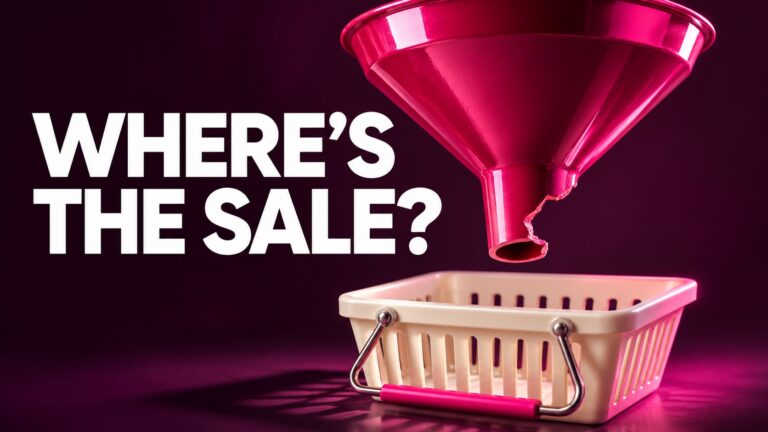
You can have a Facebook ad that earns clicks and a store that earns no orders. If you rebuild the campaign before finding where people stop, you can spend another week making better ads for a broken buying path.
Put the ad report next to the store report
Pick one recent date range, campaign, and offer. Write down ad spend, outbound clicks if available, landing sessions, add-to-carts, checkout starts, and paid orders from the store. Filters and attribution won’t necessarily match. Use tracking links to isolate traffic where you can, and don’t count free checkouts or test purchases as paid sales. Store orders tell you what was actually bought; the ad platform tells you what it attributed.
Fix the first meaningful break
If the ad gets attention but buyers don’t reach the page, open the link on a phone and check routing and speed. If visitors arrive but few add to cart, compare the opening promise, product proof, and price with what appears above the fold. If checkout starts and orders stall, look at the total price, shipping terms, and payment flow before blaming the creative. If the store shows paid sales that your dashboard misses, fix measurement before changing spend.
Make one change you can learn from
Here’s a fictional example: 120 visits, 18 checkout starts, and one paid order. That’s a reason to walk the checkout yourself, not proof your ads are bad. If you discover a shipping charge buyers couldn’t see earlier, make it clear on the offer page. Keep the creative stable while you see if more checkout starters finish. Start with one question you can answer: did you get more paid orders from the same offer without paying more to bring people in?
Separate the ad that pays the bills from the ad you’re testing
Once you’ve ruled out page and checkout issues, keep a reliable ad as your comparison and give new ideas a defined test. Don’t reset every campaign based on one day of reported return. Decide in advance how much evidence you need and which store result would justify a change. The source creator’s case is a reason to ask the question, not a benchmark you can copy.
Inspired by @internetaustin on TikTok: https://www.tiktok.com/@internetaustin/video/7699171525114514701
For a real campaign example, see a paid search measurement case study.